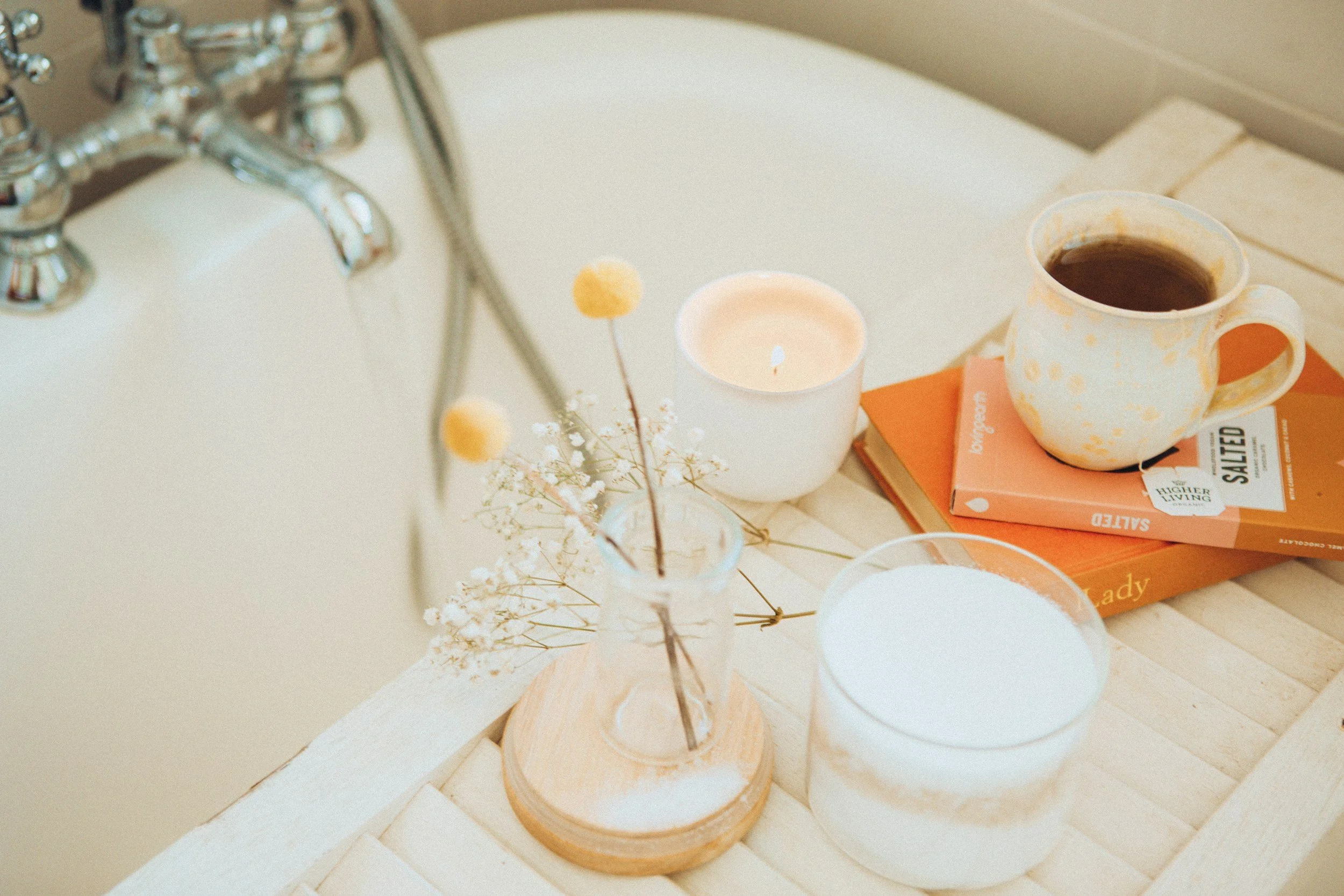
The Art of Self-Care
Essential Strategies for Personal Wellness
In today's bustling world, where demands on our time and energy seem endless, the importance of self-care has never been more pronounced. Self-care is the practice of taking an active role in protecting one's own well-being and happiness, particularly during periods of stress. It is not just an occasional indulgence but a crucial element of a balanced life.
What is Self-Care?
Self-care involves engaging in activities and practices that promote holistic health—this includes physical, mental, and emotional well-being. It is about being mindful of your own health, and not just treating illness, but maintaining overall wellness.
Why is Self-Care Important?
1. Reduces Stress and Anxiety: Regular self-care practices can help manage stress and reduce anxiety by providing a sense of control and pleasure.
2. Enhances Productivity: By regularly allocating time to relax and recharge, we prevent burnout and maintain higher levels of energy and focus in our professional and personal lives.
3. Improves Physical Health: Activities like exercise, proper diet, and adequate sleep are fundamental aspects of self-care that improve overall physical health.
4. Boosts Mental Health: Self-care is crucial for maintaining mental health, helping to mitigate the effects of any existing mental health conditions and fostering resilience.
Effective Self-Care Strategies
1. Set Boundaries
Establishing clear boundaries is essential for mental health and well-being. It means saying no when you need to, prioritising your needs, and not overcommitting.
2. Connect Socially
Human connection is vital for emotional health. Spend time with friends or family members who uplift and support you.
3. Engage in Physical Activity
Regular physical activity is a cornerstone of good health. It boosts mood, reduces stress, and increases energy levels.
4. Prioritise Sleep
Sleep affects our psychological and physical health alike. Ensuring you get enough rest is a fundamental self-care practice.
5. Practice Mindfulness and Meditation
Mindfulness and meditation can reduce stress and anxiety, promoting a calm and focused mind.
6. Pursue Hobbies
Engaging in hobbies and activities you love can be incredibly rejuvenating, helping to reduce stress and enhance your mood.
7. Seek Professional Help
Sometimes, self-care means recognising when you need professional help, whether it's talking to a therapist or consulting a healthcare provider.
Creating a Self-Care Plan
Developing a personal self-care plan involves identifying what aspects of your health need more attention and deciding how to incorporate self-care activities into your routine. Start small—choose activities that are enjoyable and manageable. Consistency is key to making self-care a transformative part of your life.
Conclusion
Self-care isn't selfish; it's a necessary practice for maintaining both physical and mental health. By regularly practicing self-care, you can improve your resilience, enhance your mood, and enjoy a more fulfilled life. Embrace the journey of self-care—it is one of the most important investments you can make in yourself.
References
Yam, D., & Baxter, T. (2018). Self-care and resilience – it’s about you, yes you! Australian College of Nursing. Retrieved from https://www.acn.edu.au
Hawgood, J. (2018). Looking after yourself is the best gift you can give yourself. Griffith University. Retrieved from https://www.griffith.edu.au
Darby, F. (n.d.). 5 self-care strategies for people in caring professions. Upskilled. Retrieved from https://www.upskilled.edu.au
Self care. (n.d.). University of Melbourne. Retrieved from https://services.unimelb.edu.au
The Role of Self-Care in Community Services: How to Prevent Burnout and Compassion Fatigue. (n.d.). TrainSmart Australia. Retrieved from https://tsa.edu.au